


Geoff Burke-Imagn Images


Aug 27, 2025 3:45 PM
Updated Aug 27, 2025 3:47 PM
The NHL's regular season could start earlier next year, when it increases to 84 games.
NHL deputy commissioner Bill Daly told Sportsnet's 32 Thoughts podcast the league is considering starting the 2026-27 campaign in September instead of October because of changes in the new collective bargaining agreement with the NHL Players' Association.
Under the new CBA, which takes effect on Sept. 16, 2026, Daly said the pre-season will be shorter to accommodate the 84 regular-season games, an increase from the 82-game campaign that's been around since 1995.
Starting the season earlier comes as a welcome relief for those of us who have been advocating for years for a shorter pre-season and training camp. In doing so, the league could potentially end the Stanley Cup playoffs in early June. This past season, the playoffs ended in the third week of June, but the league was prepared to play games until June 23.
The intriguing question is whether the NHL would use the shortened pre-season and training camp to provide teams with a less condensed regular season and the same projected end to the year as they have right now. The other option is to keep schedules as condensed as they are now and conclude the playoffs in early June.
A compelling case can be made for either approach.
By starting the regular season in September, the league could air out teams’ schedules and give players more rest and recuperation time from day to day and week to week. That approach would still end the playoffs in late-June, and for many observers, that’s far too late.
However, by keeping the schedule as compact as possible, the NHL would give teams an earlier off-season. For teams accustomed to playing deep into the post-season, having as much rest and relaxation in the summer would be a godsend rather than having even less time with an earlier season start and the same end date.
Adding two games to the regular season is a good thing, mainly because pre-season games become a waste of time for most players by October anyway. But from our perspective, expanding the time between games in the regular season defeats the purpose of a shortened pre-season.
Having more time in between games could help players recover and prevent injuries, but as we should know by now, injuries can happen at any time. Given how significant injuries can be – in some cases, lasting well into the off-season – it makes more sense to this writer to end the playoffs sooner and give players as much of an off-season break as possible.
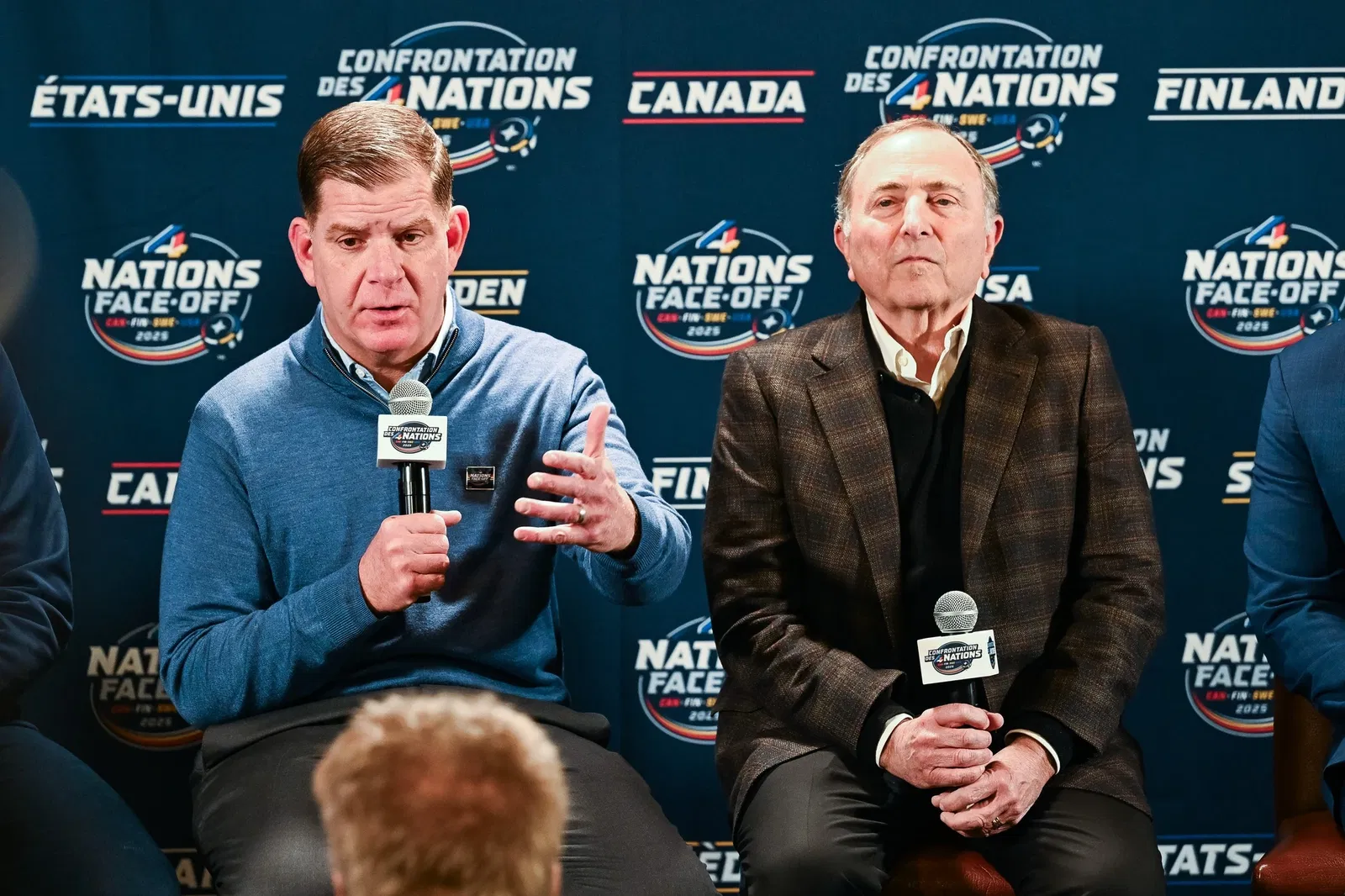
The impact on the regular season from in-season events, such as the Winter Olympics and World Cup of Hockey, is considerable. Only having short breaks between games is taxing on players, physically and mentally. But for better or worse, NHLers have acclimated to the condensed schedule, so starting the season sooner should lead to ending the season sooner.
Ultimately, the league must make a choice on this topic soon. Planning the logistics of every season takes time, and teams must strategize based on the schedule. Thus, you’d better believe teams are already plotting out how they do business in an 84-game regular season.
By taking out some of the filler that is the pre-season and training camp, the league is doing its players and fans a favor. But the best way they can help players is by putting the finishing line sooner in the calendar. You don’t want to keep extending your schedule to late June.
Get the latest news and trending stories by following The Hockey News on Google News and by subscribing to The Hockey News newsletter here. And share your thoughts by commenting below the article on THN.com.
3
Comments

Powered by RoundtableBuilt on infrastructure designed for real-time media. Learn more at RTB.io.© Roundtable 2026. By using this site you agree to the Terms of Use and Privacy Policy