



Nov 10, 2025 8:02 PM
Updated Aug 12, 2026 6:06 PM
The Calgary Flames are running out of answers - and time - and fast.
Seventeen games into the season, the Flames sit dead last in the NHL with a 4–11–2 record, 10 points, and a .294 points percentage. They’ve been shut out in back-to-back games and continue to search for any sign of offensive life. The numbers are grim, but the bigger issue might be what’s happening beneath the surface.
Generating Chances, Not Results
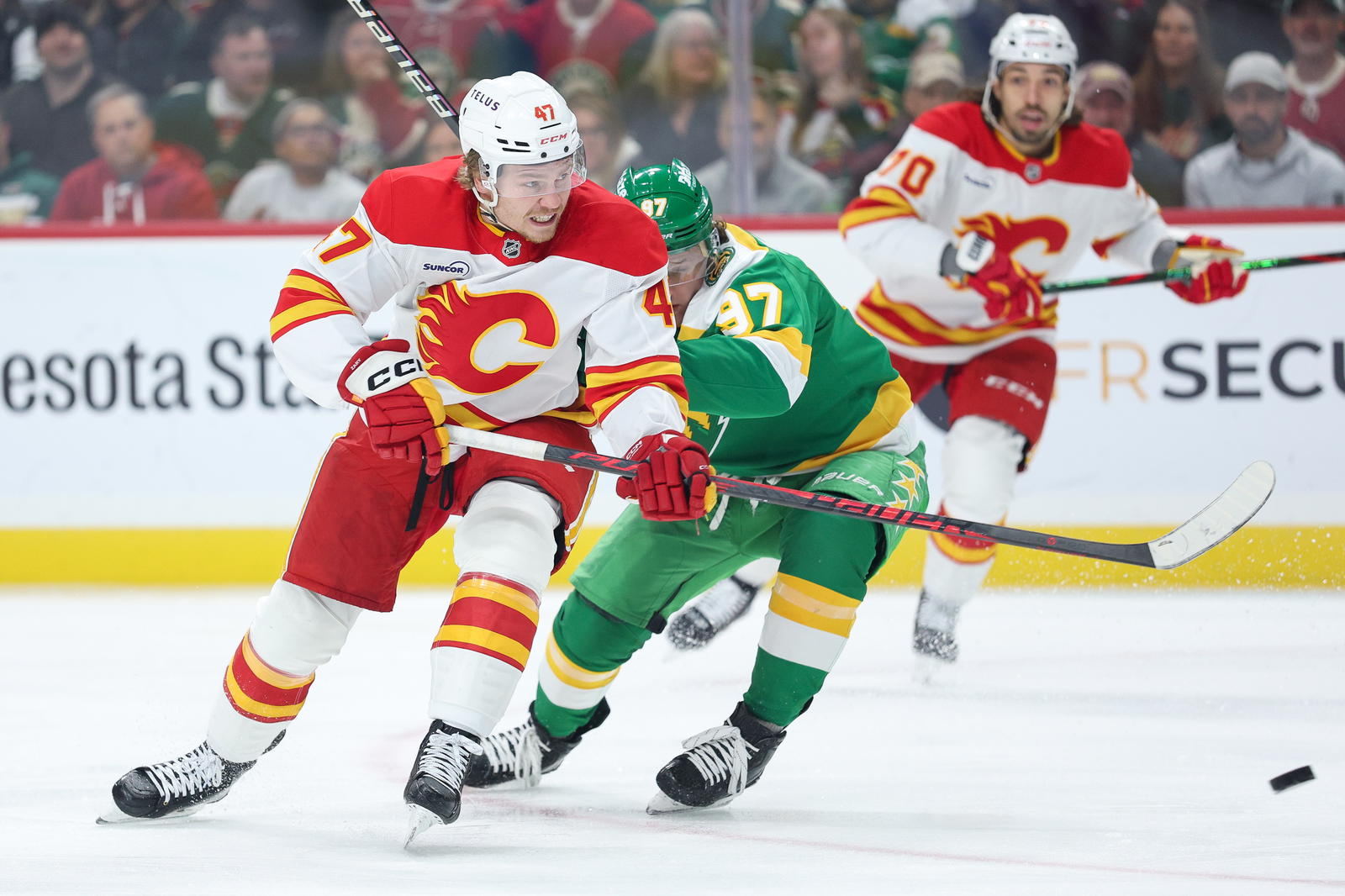
On paper, this team should be better. They’re getting pucks to the net, outshooting both the Minnesota Wild (36–19) and the Chicago Blackhawks (33–27) in recent games, but they simply can’t finish.
 © Sergei Belski-Imagn Images
Matt Coronato’s 11-shot performance against the Blackhawks sums it up perfectly: lots of looks, zero results. Calgary is averaging just 2.06 goals per game, tied for the league’s worst mark, with a minus-19 goal differential to match. They’re not being outplayed as often as they’re being outscored, which can be even more frustrating for a group trying to find traction.
The power play is floundering too. Despite fresh combinations and new looks, the PP has gone 0-for-7 over the past two games and is operating at a league-worst 11.7% on the season. When your power play isn’t a threat, teams can defend you straight up. That’s exactly what’s happening.
Effort, Energy, and Accountability
Following Friday’s 4–0 loss to Chicago, frustration finally boiled over. Defenceman MacKenzie Weegar didn’t sugarcoat things postgame:
“Half the guys were into the game, half the guys weren’t,” he told reporters. “It felt quiet. Not much energy. Half the guys had some, half didn’t.”
It was an honest, pointed comment, and it hit home. The Flames’ compete level has wavered from period to period, game to game. Some nights they look engaged, forechecking with purpose and generating sustained pressure. Other nights, like Friday, the energy evaporates.
 © Matt Krohn-Imagn Images
Blake Coleman leads the team with six goals but has just one point in his last seven games. Connor Zary hasn’t scored since opening night. Yegor Sharangovich, expected to provide depth scoring, has two goals and a minus-8 rating in 15 games. Coronato, despite all the effort of late, has one goal in his last 14 contests.
It’s not for lack of trying, it’s that no one can seem to get a bounce.
Is It More Than Just Bad Luck?
It’s tempting to chalk this up to being “snakebitten,” but the issues go beyond puck luck. Under Ryan Huska, the Flames’ system is structured and disciplined, but it often looks rigid in transition. They’re creating chances but not quality chances, lots of perimeter shots, not enough chaos around the net. Even when they generate good looks, it feels like they’re thinking instead of reacting, trying to manufacture goals rather than create them naturally.
Confidence plays a role here, too. When scoring becomes this hard, it starts to live rent-free in players’ heads. You can see it in their body language, gripping sticks tighter, overpassing, hesitating in shooting lanes.
What’s Next?
At 4–11–2, the Flames are staring down an uncomfortable reality. General manager Craig Conroy has to decide whether to stay patient and hope this group figures it out, or start making moves. With several pending free agents and a core that’s struggled to find consistency for multiple seasons, big decisions could be looming.
In net, Devin Cooley has an impressive 1.75 goals-against average (GAA) and .935 save-percentage (Sv%) in three starts this season. He put forth another solid performance on Sunday against the Wild, yet he is still searching for his first win of the season. His team simply hasn’t scored in front of him. Goaltending can only steal you so many games. The Flames need goals, and a jolt of belief, before the season slips away for good.
 © Matt Krohn-Imagn Images
Right now, they’re a team that looks like it’s working hard but not having fun doing it, and when that happens, frustration spreads quickly.
The Flames aren’t as bad as their record shows, this is practically the same group that finished with 96 points last season - but they’re also not showing much reason to believe things will turn around on their own.
Something has to give, because if this stretch has proven anything, it’s that effort without execution won’t win you hockey games, and for the Flames, that gap between the two is growing wider by the day.
Comments

Powered by RoundtableBuilt on infrastructure designed for real-time media. Learn more at RTB.io.© Roundtable 2026. By using this site you agree to the Terms of Use and Privacy Policy