



Jan 5, 2026 6:46 AM
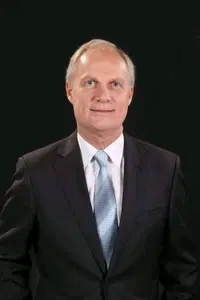
The NHL's executive vice-president of marketing discusses the NHL brand and its global reach, the difference between eras of players and staying motivated on a daily basis.
The Hockey News' Money & Power 2026 hockey business annual is available at THN.com/free, featuring the annual 100 people of power and influence list.
W. Graeme Roustan, owner and publisher of The Hockey News, sat down with special guests for peer-to-peer conversations also featured in the issue, including the NHL's executive vice-president of marketing, Brian Jennings.
Here's their full conversation in The Hockey News' True Hockey Talk:
Read along with an excerpt from their discussion:
W. GRAEME ROUSTAN: The NHL brand is so strong and friendly. You go anywhere, people see the shield, and it puts a smile on their face, doesn't it?
BRIAN JENNINGS: It's been amazing, and it takes a village. It starts with the commissioner, our teams and all the different touchpoints and all the employees at our clubs and the league that do it. It's never one person by any means, but it gives you a lot of satisfaction when you look at the arc of where the game has been, where it is currently and, ultimately, where it's going. I think where it's going gets me more excited than where it's been in the past.
WGR: Thirty-five years ago, the NHL brand wasn't global like it is today. It's been a process to get to where you are now, hasn't it?
BJ: The resources that our owners allow us to go and promote the game are a key aspect of it. But watching that evolution has been astonishing. And we do go back a ways. It's like going from analog to digital. It has been such a journey to go on. And the touchpoints as a marketer that you have today to connect directly with your fans and our players are a huge part of it. Our players today are willing to show that personality both on and off the ice. Some of that wasn't the way it was 35 years ago.
WGR: When you're dealing with an athlete today versus the ones you were dealing with 35 years ago, what is the big difference between the players?
BJ: It's pretty stark. We're out there shooting some of our brand campaigns at the North American Player Media Tour, and you just watch the players' personalities and willingness to participate. It's not the agents pushing them, but the athletes are saying, "Hey, what do you need? I'm happy to do it."
Even watching a guy like Connor Bedard go from where he was in his rookie year to where he came back in his second year, you can see the evolution. Macklin Celebrini is the same way. So these young faces that have grown up in the video-game era, understanding social media and being comfortable sharing a different part about their life, are not just elite professional hockey players, but they have these other interests in their lives.
And as a marketer, it's that connective tissue that can help draw in other audiences. You enjoy hockey, but what are the other things? What does he listen to? Does he enjoy fitness? Does he enjoy fashion? And even some of the relaxation in the new CBA in terms of the dress code has the guys, much to the chagrin of some of the other players or some of the older management, showing up at the arenas and showing that personality. And I think that's just great for the game and for this next cultivation of what the next audience is.
Peter Drucker once said, "What's the purpose of any business? It's to create a customer." For us, that's a fan.
WGR: You've been here for 35 years, and you've had one boss, Gary Bettman, for about 32 of those years. How important is it that you have the proper leadership at an organization to keep you motivated on a daily basis?
BJ: Gary is firm, wants the business to go in a certain direction and holds you accountable for that. But he's also incredibly supportive. And I know that support comes via our ownership. They give the resources to this league for us to grow, to experiment and to take chances, whether that is outdoor games or content building.
It always starts with leadership. They set the culture. They set the strategy, and they help you a lot. Gary helps me avoid problems a lot of times. Sometimes, you don't even see yourself going down a path, and all of a sudden, you're like, "Oh, I should have seen that." But he saw it in advance. So that part about it is great.
My personal journey has been unique and not one that a lot of younger kids take these days. Staying with an organization for 35 years is an anomaly now. It's not the norm. I've just had a passion for this game. I've loved the players. I've loved the game, and I've always felt the game could achieve more, so it's always kept me motivated.
For more interviews with a deep look into the world of the hockey business, check out The Hockey News' Money & Power 2026 issue, available at THN.com/free.
Comments

Powered by RoundtableBuilt on infrastructure designed for real-time media. Learn more at RTB.io.© Roundtable 2026. By using this site you agree to the Terms of Use and Privacy Policy