



Jan 5, 2026 6:38 AM
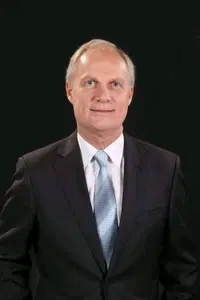
The president of the Finnish Ice Hockey Federation talks about growing up in a hockey family, how the game has developed in Finland over the past 60 years and his wish for more women's players.
The Hockey News' Money & Power 2026 hockey business annual is available at THN.com/free, featuring the annual 100 people of power and influence list.
W. Graeme Roustan, owner and publisher of The Hockey News, sat down with special guests for peer-to-peer conversations also featured in the issue, including the president of the Finnish Ice Hockey Federation, Heikki Hietanen.
Here's their full conversation in The Hockey News' True Hockey Talk:
Read along with an excerpt from their discussion:
W. GRAEME ROUSTAN: Can you share a little bit about how you got into hockey many decades ago? How did you get here?
HEIKKI HIETANEN: It's a family business. My father played in the Finnish league in the 1950s, so me and my brother played, and my brother also played at the league level. And, actually, we were the first family with a third generation because my nephew also played in the Finnish league and on our national team. I've been involved with hockey since I was a kid, but my skills weren't that good, so I moved to the administration side. I was also a journalist for a while before that, but then I became a Finnish league club CEO, then Federation CEO, then league club president and now Federation president.
WGR: So, you were born into hockey, and you've grown up with it. You've seen it for 60 years. Can you compare the way it was back then to the way it is today, with the leaps in technology and the quality of the game?
HH: In the 1960s, when we first started to develop hockey programs in Finland, we needed coaches, good coaches, and we needed facilities. You need facilities to grow the game. We went from one rink in the 1950s to more than 300 today. And we had education programs, and we educated team leaders and other people around the teams. So we were in a positive circle to do good things. It brings good people into the system, and then it goes on and on. And since the 1970s, we've been in a very good development process.
WGR: With 300 rinks in Finland, that's a lot of money to maintain and operate them. It's a real business. From an operational point of view, the Finnish Ice Hockey Federation has a big responsibility, even though the municipalities and the government of the country are involved. You're part of that financial ecosystem, aren't you?
HH: Yes, exactly. And that's why we're helping the clubs also. The same thing, how to market, how to recruit young kids, because if you don't have kids inside the venue, there's no parents who will pay the costs. But we're in a lucky position in that hockey is so popular in Finland.
WGR: You're the president of the Finnish Ice Hockey Federation, but you also wear another hat. You're on the IIHF Council. So you represent your country, but you also help steer the international hockey world. How is international hockey growing?
HH: Actually, we're here at the IIHF Global Hockey Forum, and we just had a very good presentation on how hockey compares to other sports and how we could grow. Everybody said that we're growing, but in my opinion, we're growing too slowly. And we need good co-operation with all the stakeholders in ice hockey to really grow hockey worldwide.
WGR: Finland has a very strong women's hockey program with terrific results at competitive levels. How important is the women's hockey game for Finnish ice hockey?
HH: It is important, but as I've said many times, I hope that we could grow it faster. But still, the interest is growing. It's a trend now. But there's still an attitude in the country that the boys' level runs over the women's, on practice times, on game times and whatever. So that's not equal. And we try to do things equally so that gender equality is as good as possible. But if you go to the club level and small towns, the same problem comes out there.
But we have done a lot of things for that. For example, we have national-team compensations for winning medals or whatever, and we have the equal amount for the men's and women's. So things like that, we can do. But women's leagues have had a difficult time getting ice time. Good ice time, that is. It's been difficult for them. But every country seems to be having a similar issue there. It's a slow process for equalization. So it's not unique to Finland.
WGR: As a fourth-generation hockey player and as president of your country's hockey federation, how do you feel when you see a young Finnish woman playing in the NCAA or the PWHL?
HH: I hope in the future there are more Finnish players in the PWHL, because I've seen a couple of games, and it's a really good level. Fast, a little bit more physical.
WGR: We're coming into the Olympics, and you've got very strong Finnish national teams, both men's and women's, and I know you're going for the gold. How much planning and work goes into preparing your teams for the Olympics?
HH: On the men's side, everybody's playing in North America, and we're basically not allowed even to have practices together, but I think it's more about the mental approach. The coaches are talking to a lot of players who are on the list and preparing them to be ready when we're in the situation.
On the women's side, it's a little bit different. We've had a couple of camps to get to know the players. And we have Euro hockey tour games that we're playing against Sweden, Switzerland and Czechia, and that's prepared them. At the end of the day, we know we'll have a good team spirit when the Finnish national teams gather together.
WGR: How important is it for Finnish NHL players, after their careers are over, to come back to Finland and share their stories with the young boys and girls to motivate them?
HH: It's really important, and we're lucky that almost everyone has come back to Finland. Some of them have positions in hockey or they're interested in youth hockey, so that's really big for the young kids to have that contact. And I'm happy that we also have NHL alumni who organize games in several parts of Finland. It's great marketing for the young kids.
For more interviews with a deep look into the world of the hockey business, check out The Hockey News' Money & Power 2026 issue, available at THN.com/free.
Comments

Powered by RoundtableBuilt on infrastructure designed for real-time media. Learn more at RTB.io.© Roundtable 2026. By using this site you agree to the Terms of Use and Privacy Policy