



Jan 5, 2026 6:47 AM
The president of NHL business chats about the Global Series games in Stockholm, growing the game outside of North America and the future of NHL enterprises.
The Hockey News' Money & Power 2026 hockey business annual is available at THN.com/free, featuring the annual 100 people of power and influence list.
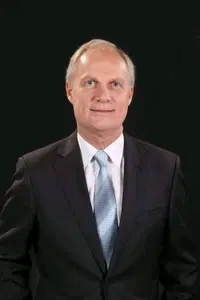
W. Graeme Roustan, owner and publisher of The Hockey News, sat down with special guests for peer-to-peer conversations also featured in the issue, including the president of NHL business, Keith Wachtel.
Here's their full conversation in The Hockey News' True Hockey Talk:
Read along with an excerpt from their discussion:
W. GRAEME ROUSTAN: We both just got back from Stockholm. The series there was a big success, wasn't it?
KEITH WACHTEL: Any time we can play overseas and bring our star players to where they grew up, where they played, it's something really special. It's special for the players, but it's also special for their teammates to get to see them in that environment.
WGR: The NHL is expanding around the world. You must have some pride about that.
KW: The international team has done a tremendous job. We played our first games in 2007 and our first game in Stockholm in 2008. We've done approximately 47 games internationally in various countries.
WGR: Part of your business is not just North America but the international market. It is the global business of hockey, isn't it?
KW: We see the opportunity, internationally, to grow it as we have in North America. We're looking at Europe to continue to bring events, content and everything that we have been doing on a bigger scale. But then, we're looking at some other bigger commercial markets where we can invest a significant amount of money to grow the sport – continue to bring events like games over but have a more sustained presence. When we look at international, it's going to pale in comparison to our overall Enterprises business, but we see the growth as a really good opportunity for us and for our clubs.
WGR: Is that the future growth pattern you see internationally, not just in Europe but around the world?
KW: We're strategically looking at markets where we think the NHL can win. But you can only win if you have two things. One, a sustained presence year-round. But more importantly, you have to look at it as a decade-long opportunity. This is not going to be the same types of returns that we have had in the past in North America. If you can look at it on a 10-year basis, we think we're going to be extremely successful.
WGR: NHL Enterprises is trying to develop technologies and partner with tech companies in order to deliver the experience to the fans, whatever experience the fan wants.
KW: Absolutely, but also for hockey operations. I'd say, by far, we have the best situation room, as we call it. It was the first one that started, then was emulated by a lot of the other sports leagues for video review and other things. That type of technology, behind the scenes, a lot of the stuff that you'll see is not something that will be fan-facing. But it has allowed (Colin Campbell) and his hockey-operations group to operate the game more effectively and efficiently, look at certain plays a lot closer.
From that standpoint, not everything is just about what can we do for the fan and how can we generate revenue. It's also, truly, "How do we make the game better for the players, for our referees, for the constituents that are behind the scenes of the game?"
WGR: Where do you see NHL Enterprises going in five years?
KW: If you look at where the game is right now, that is a huge opportunity for us. The speed, the skill, the young stars who are continuing to come into the league and make impacts immediately is like nothing we've ever seen before. So that's where it starts. You have a great game. We think it's the right fast-paced action, the right temperament for fans, for consumers – what they want to see today.
From there, we just have to continue to grow the business in all the different areas. Develop creative content. New media-rights deals, whatever it may be. And licensing; continuing to add new products, more jerseys, new jerseys, centennial jerseys. If we can do that, revenue grows in a lot of different areas. Sponsors are more attracted to the sport.
The other part, in general, is the live game experience. Bar none, we have the best live game experience out there. We have to make sure that continues, so that we can have sold-out buildings every night.
For more interviews with a deep look into the world of the hockey business, check out The Hockey News' Money & Power 2026 issue, available at THN.com/free.
Comments

Powered by RoundtableBuilt on infrastructure designed for real-time media. Learn more at RTB.io.© Roundtable 2026. By using this site you agree to the Terms of Use and Privacy Policy