



Jan 5, 2026 6:49 AM
The NHL's senior EVP, social impact, growth initiatives and legislative affairs, discusses the business side of hockey, the growing involvement of girls and women within the game, being a role model and what the future looks like.
The Hockey News' Money & Power 2026 hockey business annual is available at THN.com/free, featuring the annual 100 people of power and influence list.
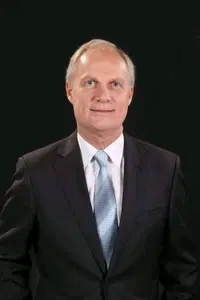
W. Graeme Roustan, owner and publisher of The Hockey News, sat down with special guests for peer-to-peer conversations also featured in the issue, including the NHL's senior executive VP, social impact, growth initiatives and legislative affairs, Kim Davis.
Here's their full conversation in The Hockey News' True Hockey Talk:
Read along with an excerpt from their discussion:
W. GRAEME ROUSTAN: I always saw any efforts to include different communities in the game of hockey as a great business decision. Maybe people look at it as the right thing to do from a society point of view, and yes it is, but from a business standpoint, it's a great decision to include as many customers as you possibly can and appeal to as many people as you possibly can to sell your product to. Isn't it a good decision to reach out to as many different people as possible?
KIM DAVIS: I mean, is there any other way to run a business? I came from the business side. I came from investment banking and financial services, so I've always had the orientation toward growing the business. And that is what this work of social impact is about. In a very competitive landscape where people have a lot of choices, both for their fandom as well as where their children engage in sport, we want them to think hockey first. So that is what growth is, and that's how we think about it.
First and foremost, how do we grow the business? How do we grow our fandom? And we do that by appealing to the demographic and the psychographic needs of our consumers. And by the way, our sponsors want this because they're going after those same consumers.
WGR: And so the advertisers want to address those people, don't they?
KD: We know in the United States, as an example, that over 50 percent of chief marketing officers who are decision-makers on sponsorships are women. And so I would imagine, if you look at the data over the next 10 years, that number is going to grow. So if these are the decision-makers in companies for sponsorships, shouldn't we be appealing to them across the board?
WGR: If you go back a decade and look at the registration numbers for USA Hockey and Hockey Canada, the year-over-year growth rates were low. But if you look at the numbers recently, the women's growth rates are in the double-digits.
KD: Well, that's it. We started a female hockey advisory board six years ago, right after I joined. And we were trying to tackle the issue of girls participating and having girls-only learn-to-play programs. When we started that effort, there were only four markets that had girls-only programs. When we put intentional effort on it, a year later, 24 markets had it. Now, all 32 have them, with many having multiple programs.
And so, the data tells the story. Girls hockey is growing at rates three to five times the rate of boys hockey, and girls are really engaging. Girls also understand that their career opportunity is both on and off the ice. I think the future is very bright.
WGR: The more women play the game at lower levels and go up, they will eventually become coaches, assistant GMs, GMs and so on. And that will filter into the NHL at every level. Isn't that the natural progression?
KD: Well, that's one sort of pipeline, right? And then there's the other pipeline where these young women are going to sports-management programs and a lot of these master's programs. They see the opportunity to come into the league in marketing, finance and social-media roles and now understand that hockey is a business, as we've been saying all the time. You don't just have to love and play the game as a fan. You can also work in the business. I think that's an exciting change that I've seen in the seven seasons that I've been here.
 Kim Davis, right, thinks the future is bright for women pursuing hockey careers on and off the ice. (Photo by NHL)
WGR: You've been a leader, an icon and a mentor to women in different industries. You must wake up in the morning and feel a sense of pride but also some pressure. Do you feel that responsibility?
KD: At this point in my career, I think I'm old enough and self-actualized enough to know that we all have to lift as we climb. I have a daughter who is the mother of two sons, and I want them to understand the power of women as two boys. So it's personal for me, and I was lucky enough to have female trailblazers in my family. I see it as a responsibility, but it's one that I take on with great humility.
WGR: As you look around the corner, what do you see?
KD: First of all, I see some amazingly talented individuals, both in the clubs and at the league level, who represent the next generation of talent for our sport. That's hugely exciting. And I'm happy to hopefully be contributing to sponsoring and mentoring many of them. But I also see young kids in the communities that are so intrigued by our sport. I see so many ways for us to represent our sport in communities, not only across North America but across the world. And it is very exciting.
For more interviews with a deep look into the world of the hockey business, check out The Hockey News' Money & Power 2026 issue, available at THN.com/free.
Comments

Powered by RoundtableBuilt on infrastructure designed for real-time media. Learn more at RTB.io.© Roundtable 2026. By using this site you agree to the Terms of Use and Privacy Policy