


Mar 17, 2026 6:19 PM
The time is now for the University of Illinois to reverse 2022's decision and bring back NCAA Hockey.
The pool of eligible players for NCAA Division I hockey swelled last fall with the addition of CHL players. Despite the increase, the number of teams at the Division I level has dropped to 63, with American International College joining the Division II ranks. Restoring The Rink examines programs that have gone defunct and their viability in today’s market.
History: The University of Illinois' program started in 1937 and was slated for success in NCAA Men's Hockey. The Fighting Illini were doing very well to start, posting a 17-3-1 record in 1940-41. Between 1940-43, legendary head coach Vic Heyliger led Illinois to a combined 36-8-3 record winning three straight Western Intercollegiate Championships.
Unfortunately, as World War II continued, players were drafted into the military, and the program withered away. In the postwar era, Illinois shifted their program into a club sport, capturing the 2005 and 2008 ACHA Championships. The team is active at the club level today.
Hockey Impact:
Since the Fighting Illini's NCAA team went away so long ago we can only ponder as to what could have been. As mentioned in University of Illinois-Chicago's edition of Restoring The Rink, Illinois has an incredibly rich pool of junior, collegiate and professional players. Even without an NCAA program, students flock to support the club team at The University of Illinois Ice Arena. Keep in mind, this is the same building the original Illinois NCAA program played in all the way back in the 1930s and 40s. The University took over operations in 1977 and has expressed openness to renovating and upgrading 55,000 square foot rink. The student support and institutional management clearly shows hockey's impact on the Champaign-Urbana area.
Market Viability:
In 2018, the University of Illinois started a "exploratory period" on the feasibility of bringing back NCAA Hockey. The National Hockey League, Chicago Blackhawks, College Hockey Inc, and even the city of City of Champaign were all on board with the concept. This should have been a clearcut yes. Evidently, all that support was not enough for University of Illinois Director of Athletics Josh Whitman. On May 22, 2022, Whitman issued a statement with the University revealing and explaining their decisions for discontinuing its hockey exploration. In the statement, Whitman cited a 30% cost increase through the pandemic, and NIL as primary obstacles.
He said in part, "We have long championed the addition of hockey as an opportunity to address needs in our sports of volleyball, wrestling, and gymnastics. As a result, we have delayed other potential investments in those sports while we continued our pursuit of hockey and the downtown facility it would require. In recent months, as the odds of adding hockey have diminished, various opportunities to advance some of these other sports have developed. We are now choosing to pursue those opportunities...This is a painful decision, made all the more difficult because of the incredible commitment shown by so many to make hockey a reality. My heart believes that we can support hockey, but my head tells me it is time to direct our attention elsewhere."
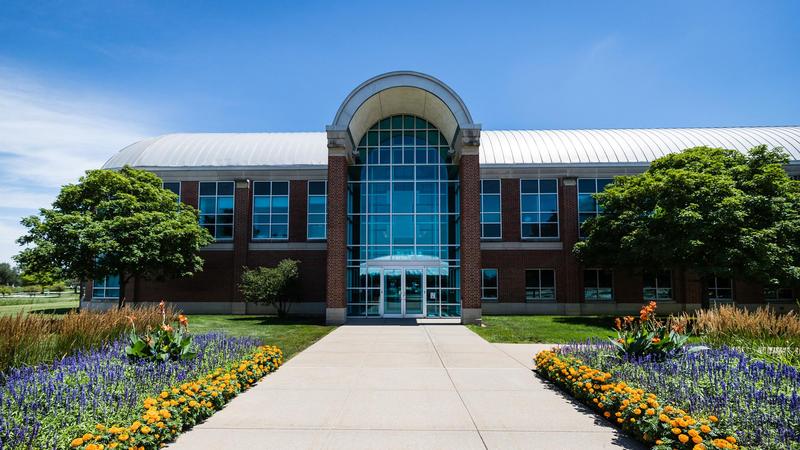
This statement is quite contradictory. As seen in many other institutions, a multipurpose hockey rink benefits not only the hockey team, but other smaller sports which the statement acknowledges. However, in following sentence, Whitman seemingly overlooks the bigger picture. He states his intent to focus on specialized projects for some of the smaller sports instead of giving support to all smaller sports through the addition of hockey.
Secondly, the statement mentions NIL and cost as obstacles to hockey calling it a "uncertain environment." I strongly disagree with that characterization when it comes to hockey. There are countless NIL collectives as well as private donors and corporate sponsorships, which Whitman touches on briefly, that could help offset the 30% increase. Illinois either could not or would not to utilize them. This NIL model of NCAA hockey works at other comparable institutions in the Big Ten including Penn State, Minnesota and Michigan State. These schools are similar to Illinois due to their student population and financial commitment to football and basketball while also having strong hockey programs.
It's clear to me based on the statement that the decision not to expand into NCAA hockey was not one motivated by lack of interest or funding, but rather by cost saving. College hockey is expanding with higher quality players coming to the NCAA from all over the world, generating millions of dollars for the 63 institutions that support it at the Division I level. The University of Illinois must right the wrong of 2022 by Restoring The Rink in Champaign-Urbana, helping all of its student athletes in sports of all sizes.
2
Comments

Powered by RoundtableAn AI/DeFi-powered Enterprise Media Operating System. Learn more at Roundtable.io.© Roundtable 2026. By using this site you agree to the Terms of Use and Privacy Policy