



Jan 6, 2025 5:00 AM
Updated May 16, 2025 8:28 PM
The Maple Leafs’ president of hockey operations chats about getting lucky in the draft, the structure of MLSE and what keeps him going on the job.
The Maple Leafs’ president of hockey operations chats about getting lucky in the draft, the structure of MLSE and what keeps him going on the job.More Videos
The Hockey News' Money and Power 2025 hockey business annual is available at THN.com/free, featuring the annual 100 people of power and influence list.
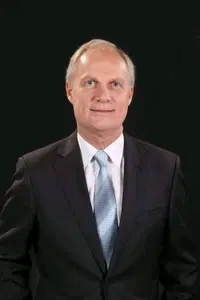
W. Graeme Roustan, owner and publisher of The Hockey News, sat down with special guests for peer-to-peer conversations also featured in the issue, including Toronto Maple Leafs president of hockey operations Brendan Shanahan.
Here's their full conversation in The Graeme Roustan Show:
The Maple Leafs’ president of hockey operations chats about getting lucky in the draft, the structure of MLSE and what keeps him going on the job.More Videos
Read along with an excerpt from their discussion:
W. GRAEME ROUSTAN: You’ve been with the Leafs in this capacity for, like, nine years or 10 years now, haven’t you?
BRENDAN SHANAHAN: Yeah, and it’s flown by. I’ve learned a lot. It’s one of those things that when you take the job, you come in with an idea and a plan, and the plan is constantly being evolved and adapted. First and foremost, the best business any sports team can do is just be successful on the ice, and that’s what we’re all striving to do here.
WGR: You’ve brought in a lot of young players. You got Auston Matthews, and he is one of the most exciting players in the league, isn’t he?
BS: It was a difficult process to even qualify to try to get him with the first-overall draft pick. When I got here, I talked to a lot of people about the team and the history and plans that had been in place before me. It seemed more and more clear that the sort of quick-fix, Band-Aid route wasn’t going to work and hadn’t worked and that the team would have to go down before they could possibly come up. And you never know when you’re doing that, whether you’re going to win the draft lottery and end up picking first or whether you’re going to be picking third or fourth. So, we got very lucky.
My first draft was William Nylander. My second draft was Mitch Marner. My third draft was Auston Matthews. We probably thought we would be doing that another year or two, but they were just so good so fast that we catapulted into the playoffs that next year and had some good experiences there. But they’re special players, Auston in particular is a special player, and he’s very committed to Toronto and getting it done here in Toronto.
 W. Graeme Roustan and Brendan Shanahan
WGR: Combined, how many people do you think are working under the Toronto Maple Leafs banner?
BS: Well, we have the luxury of using a lot of MLSE people. So, the way it works is we have our hockey-ops people and we have our Toronto Maple Leafs people, but we benefit a lot from the team at MLSE that, during our season, they’ll be working with us and help the Argos and TFC and the Raptors and Live. So, it’s a massive organization. I really want our people to sort of just focus on the hockey team, and the business will take care of itself. But there’s always overlap, and we want to support the other teams as well. Having someone like Keith (Pelley) come in and lead is a great way to join us together because I think it was really well-connected, and then, when COVID happened, we all had to go off on our own for all the rules and regulations. Coming out of it was really hard to feel like you were still a part of the Raptors and a part of TFC and a part of MLSE. So, I think that’s been a real goal of Keith’s and something he’s really doing.
WGR: What are you hearing from the rank-and-file staff?
BS: Well, I think that it’s sometimes seen on the outside as a glamorous job to be working for one of the teams or MLSE in general. And it is. It’s fantastic. People love it. But it’s gruelling for a lot of the people that put the time in, and the hours are not typical. You work weekends. You work holidays. When the teams are playing, that’s when you’re working. The hours aren’t necessarily 9-to-5. So, the people that work for the teams or MLSE, they have passion. That’s what you hear.
WGR: You’re in your ninth or 10th year in your contract, and, of course, I think arguably 90 percent of fans want to have you back. Does your wife want you to come back for another 10 years, or does she want you to be at home a little more and do something else because this is a gruelling job for you and your family? This must take a toll on your family.
BS: When I retired from playing hockey, my wife probably learned in the first year or two that being retired for me wasn’t ever going to be retired. As she says, working in hockey is my oxygen, and it’s my passion. So, I know my wife gets it. Hockey is still my passion. Hockey is still my dream. I'm still incredibly competitive, and she knows that it wouldn’t be pleasant with me just sitting around the house. My family’s completely supportive and they get it. They get into it like fans do.
WGR: So, you’re going to re-sign for another 10 years. Is that what you’re saying?
BS: I’m not saying that. I’m just focused on the now and everything we can do to get a little bit better and try to have success.
For this and more interviews with a deep look into the world of the hockey business, check out The Hockey News' Money and Power 2025 issue, available at THN.com/free.
Comments

Powered by RoundtableBuilt on infrastructure designed for real-time media. Learn more at RTB.io.© Roundtable 2026. By using this site you agree to the Terms of Use and Privacy Policy