


Jun 27, 2025 12:00 PM
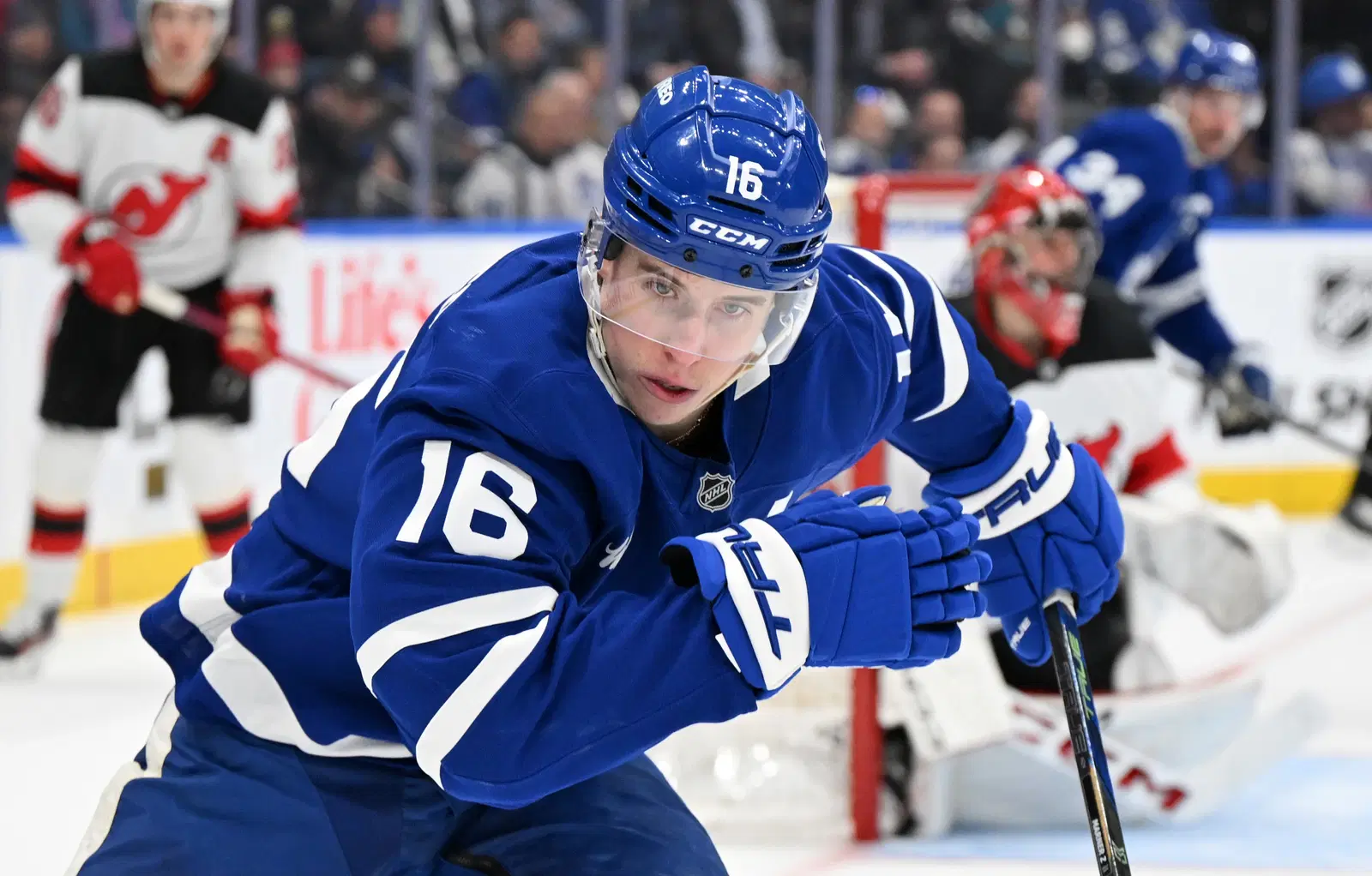
Toronto Maple Leafs GM Brad Treliving anticipated the question and preemptively addressed whether he was concerned about restricted free agent Matthew Knies signing an offer sheet.
“That's not anything you can operate in fear with,” he said during his media availability ahead of the 2025 NHL Draft.
The 22-year-old has emerged as a top power forward for the Maple Leafs after finishing the 2024-25 season with 29 goals and 29 assists in 78 games played. He has particularly excelled in the playoffs, using his 6-foot-3, 227-pound frame to score eight goals and six assists in 27 postseason games.
Knies has provided Toronto with exceptional value since signing his three-year, entry-level contract in 2023, and while the Leafs have some control due to his restricted status, the player is due for a significant raise.

“It goes without saying, Matthew is going to make more than what he's making now in his next contract,” Treliving acknowledged. “And you also want to protect yourself moving into the summer. That's July 1. We want to make sure we're protected.”
Of course, July 1 isn’t a hard deadline, but getting a new contract for Knies locked down will help the Leafs chart their moves in free agency. The team needs to add depth to its top-nine forward group, particularly up the middle. Getting Knies's contract done before July 1 would help mitigate the threat of an offer sheet, especially with Mitch Marner's future in Toronto looking uncertain.

Bridge Deal or Long-Term Contract?
There is the possibility that both the Leafs and Knies work on a short-term deal to postpone negotiations on a more substantial raise. That strategy has backfired on Treliving before; he signed Matthew Tkachuk to a three-year deal, only for the player to later make it clear he wouldn’t sign an extension. Tkachuk was subsequently traded to the Florida Panthers, where he has since won a couple of Stanley Cups.
With a long-term deal, the annual average value (AAV) could start at $7 million and go up from there. A recent comparable could drive up Knies's price: 23-year-old JJ Peterka just signed a five-year, $7.7 million AAV contract with the Utah Mammoth after posting 27 goals and 41 assists in 77 games for the Buffalo Sabres last season.

Dallas Stars forward Wyatt Johnston is another potential comparable. The 22-year-old forward signed a five-year deal with an $8.4 million AAV, although he put up better numbers than Knies with 33 goals and 38 assists in 82 games. However, Johnston’s contract is in a no-tax state, increasing his take-home pay. Furthermore, Wyatt is a center, whereas Knies is a winger.
What Would the Leafs Get if They Lost Knies to an Offer Sheet?
If a team were to sign Knies to an offer sheet and the Maple Leafs chose not to match, Toronto would receive a series of draft picks as compensation. He would likely fall under these categories:
- AAV between $4,680,077 and $7,020,113: Compensation is one 1st-round pick and one 3rd-round pick.
- AAV between $7,020,114 and $9,360,153: Compensation is one 1st-round pick, one 2nd-round pick, and one 3rd-round pick.
- AAV between $9,360,154 and $11,700,192: Compensation is two 1st-round picks, one 2nd-round pick, and one 3rd-round pick.

It would be surprising if a team extended an offer sheet large enough to require compensation of two first-round selections. The most likely scenario would fall into the middle AAV tier. And while Treliving said you can’t operate in fear of an offer sheet, the successful offer sheets from the St. Louis Blues last summer involving Philip Broberg and Dylan Holloway have certainly made GMs like Treliving understand the possibility exists.


Comments

Powered by RoundtableBuilt on infrastructure designed for real-time media. Learn more at RTB.io.© Roundtable 2026. By using this site you agree to the Terms of Use and Privacy Policy