


Every year, Forbes, USA Today and Sportico release research on athletes' salaries, yet hockey rarely gets much attention among the other big-4 sports.
This week, Sportico released its 2025 list of the Top-100 Highest Paid Athletes in the World. It was topped by soccer star Cristiano Ronaldo, who earned $260-million in total revenue ($200-million in salary from Al-Nassr club in Saudi Arabia, and $60-million in endorsements). The 100th-ranked athlete, was NBA player OG Anunoby of the New York Knicks, who earned $37.9-million ($37.1 million in salary and $750,000 from endorsements).
In between was a wide-ranging mix of professional athletes who earned a living playing soccer, basketball, football, baseball, golf and tennis, or driving cars. But two categories were noticeably absent: female athletes and hockey players.
We’ll leave the discussion about female athletes to others, but we can’t resist digging into the hockey omission, which is hardly surprising. In fact, Sportico’s lists from the last four years also did not include a single hockey player.
So where’s the love for NHL superstars like Sidney Crosby, Connor McDavid or Alex Ovechkin? We know they have high profile endorsements and salaries above $10 million.
Crosby, for instance, is sponsored by Gatorade, Tim Horton’s, Lululemon, CCM and many others. Ovechkin has counted Gatorade and CCM among his brands, as well as Nike, some Russian companies and numerous others during his 20-year career. McDavid’s long endorsement roster includes CIBC, Canadian Tire, CCM Hockey, Adidas, BetMGM, Rogers, and BodyArmor.
To be honest, it even surprised us and led us to seek another source, Forbes, which maintains a separate list of the NHL’s highest-paid players.
In 2025, Forbes’ showed Auston Matthews as the highest-paid hockey player at $20.2-million (well below the minimum threshold for the Sportico list), with $15.2-million coming from his Toronto Maple Leafs salary and an estimated $5-million in endorsements.
Thus, even the NHL’s highest-earner is only about half of the NBA’s Anunoby at $37.9 million. That’s a big gap.
In the list of highest paid NHLers, Matthews is followed closely by Nathan MacKinnon ($19.2 million), Leon Draisaitl ($19 million), Mitch Marner ($17 million) and Edmonton’s McDavid ($16.5 million). The earnings for these players mostly comes from salary. The next (and 6th) ranked player, New York Rangers goaltender Igor Shesterkin makes only $100k of his $15.9 million from endorsements.
So, as our kids used to say, “what’s up with that?”

First, factor in the size of the leagues. NHL total revenues are estimated to reach just under $7 billion by the end of this season with the NBA and MLB running closer to $12 billion. The NFL (at $20-23 billion for 2025) is three times larger than the NHL which means big NFL salaries are significant.
Second, it is important remember that thanks to the league's CBA, the NHL has a strict salary cap that has limited the salaries of individual players (while arguably increasing salaries for all players on an NHL roster), particularly the superstars. In fact, in the years before the NHL had a salary cap (starting in 2005), individual stars like Jaromir Jagr had salaries nearly as high as the top paid players today, 20 years later. Thus, NHL stars are limited on salary by a ceiling due to the cap. Currently, the CBA restricts players from making anything more than 20% of the total team cap. For 2025-2026, with a $95.5-million cap for the season, the max a player can earn is $19.1-million.
Third, much like the NFL, the NHL has a very centralized revenue sharing model where most sponsorship revenues are shared amongst the clubs. Thus, league-level and club-level sponsorship agreements tend to control categories, rights, and activation opportunities, thereby leaving limited assets for athletes to sell themselves for endorsements.
Various reports suggest the top endorsement earners – Pittsburgh’s Crosby and Washington’s Ovechkin – both legendary players – have estimated endorsement revenues of around $4 million per year. If we go back to our Sportico ranking, these numbers pale in comparison to the endorsement revenues of stars from other sports led by Shohei Ohtani at $100 million, LeBron James at $80 million, Lionel Messi at $70 million, Ronaldo (as noted) at $60 million, and Rory McIlroy at $55 million. Tiger Woods, Stephen Curry, and Kevin Durant are also reported to have endorsement earnings of more than $50 million.
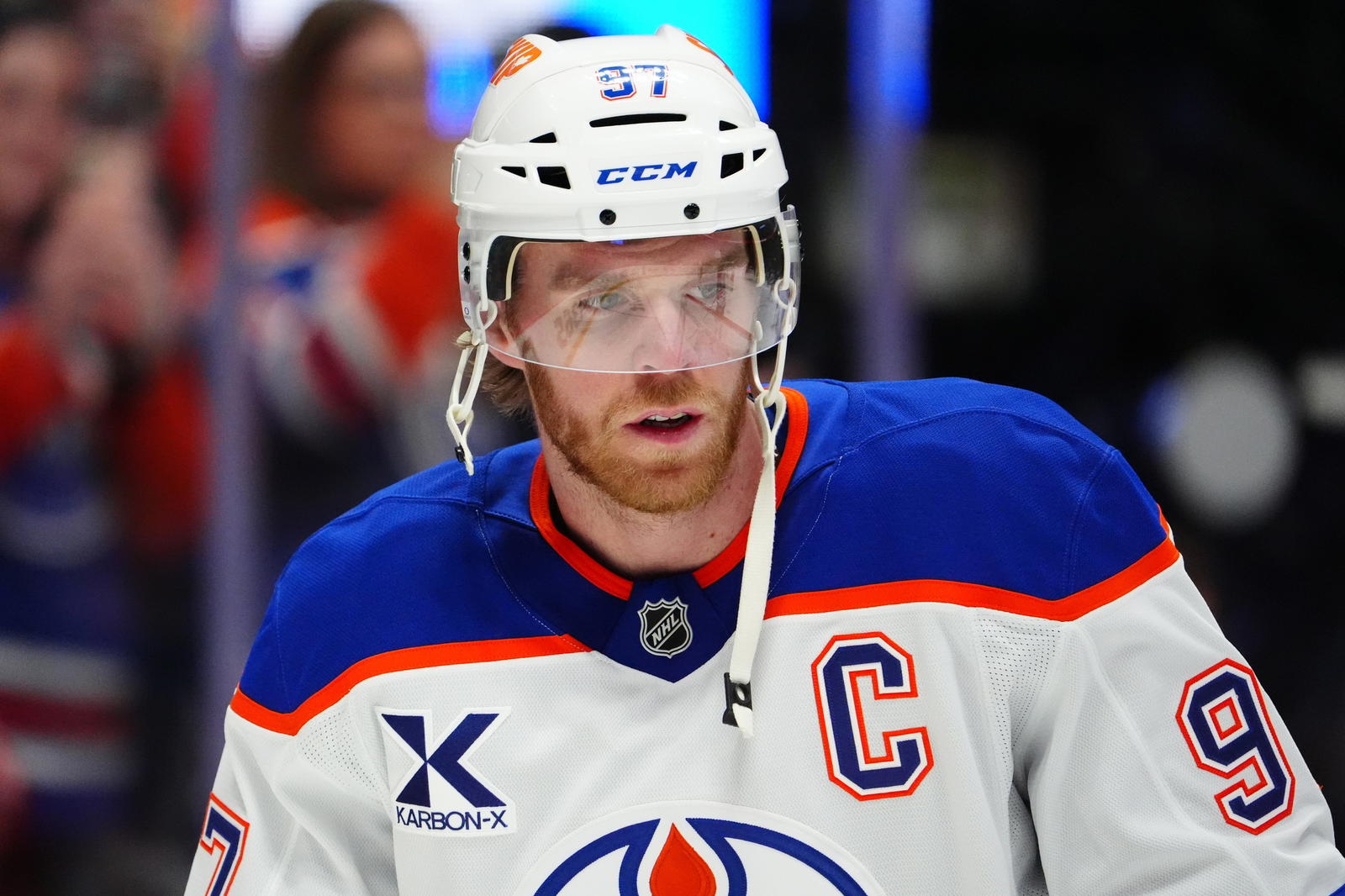
Fourth, and this is something the NFL understands well, is the hard reality that NHL players wear helmets with shields and their faces are not easily visible during games. Thus, most fans have very limited chances to get a good clean look at an NHL player. It hurts their personal brand and, in turn, their ability to generate endorsements.
Fifth, hockey is a team game, where even the top players require great teammates to score and win consistently. There is no quarterback or shooting guard or starting pitcher to generate extra attention that may lead to lucrative endorsements.
Is there anything anyone can do about this? Probably not. But professional sport in every country and in every sport relies on star power. It’s the super elite who make the casual fan pay attention and players like Crosby, Ovechkin, McDavid, Gordie Howe, Stan Mikita, Maurice Richard, Ken Dryden, Bobby Orr, Wayne Gretzky, Martin Brodeur or Mario Lemieux have kept the turnstiles churning.
Crosby and Ovechkin have certainly carried the hockey celebrity burden long enough, in fact, for most of the past 20 years. That might mean it’s time for the NHL’s broadcast partners, team PR professionals and assorted league/team sponsors to put some extra emphasis on showcasing the NHL’s newest stars and work at getting them more visibility.
Norm O’Reilly is the dean of the University of New England’s College of Business and Partner with the T1 Agency. Rick Burton is the David B. Falk Emeritus Professor of Sport Management at Syracuse University and co-host of The NIL Clubhouse on Spotify and Apple. They are co-authors of numerous sports business books and articles including Business the NHL Way, published by the University of Toronto Press.