


The NHL contract landscape just shifted dramatically, and if you're not paying attention, you're missing how quickly the financial reality of this league is changing.
Lane Hutson's eight-year, $8.85 million AAV extension with the Montreal Canadiens is just the latest example of a market that's recalibrating in real time as the salary cap explodes.
Let's start with the context. The salary cap is already at $95.5 this season, it'll be $104 million in 2026-27, and potentially $113.5 million in 2027-28. That's a massive increase in a short window, and it's fundamentally changing how contracts get negotiated. Players and agents know the cap is going up, so they're negotiating with future earnings in mind. Teams know the cap is going up, so they're willing to commit bigger dollars today knowing there will be more room to work with tomorrow.
Kirill Kaprizov reset the market with his $17 million AAV extension. That's not just a big number—it's a statement about what elite talent costs in this new financial landscape. Kaprizov is an outstanding player, but he's not Connor McDavid. Yet he's making significantly more than McDavid's $12.5 million. That tells you everything about how quickly the market is moving and how much value there is in timing your contract right when the cap is rising.

Connor McDavid's two-year extension at $12.5 million AAV—keeping his cap hit exactly the same as his previous deal—looks different in this context. It's not just team-friendly. It's borderline charity work compared to what he could have demanded. McDavid could have asked for $16-17 million and gotten it without question. Instead, he kept his number flat and chose a short term that allows him to re-sign when the cap is even higher. That's either loyalty or strategic positioning, but either way, it's left money on the table in today's market.
Then there's Lane Hutson. An eight-year extension at $8.85 million AAV for a defenseman who just completed his rookie season. That's the kind of number that would have seemed insane five years ago. But in today's market, with Luke Hughes getting $9 million AAV and Jackson LaCombe getting the same, it's actually competitive. Hutson's deal reflects the new reality for young defensemen with offensive upside—if you can move the puck and quarterback a power play, you're getting paid like a top-line forward.
The Hutson contract is particularly telling because of the term. Eight years for a player with one NHL season under his belt is aggressive, but it's also smart asset management if you believe he's the real deal. The Canadiens are betting that $8.85 million will look like a bargain three years from now when the cap is north of $110 million and comparable defensemen are signing for $11-12 million.
That's the calculation teams are making now. Sign young talent to long-term deals before the market fully adjusts to the rising cap, lock them in at numbers that seem high today but will look reasonable in 2027. It's why you're seeing so many extensions getting done early. Teams don't want to wait and risk negotiating when the cap has jumped another $15-20 million.
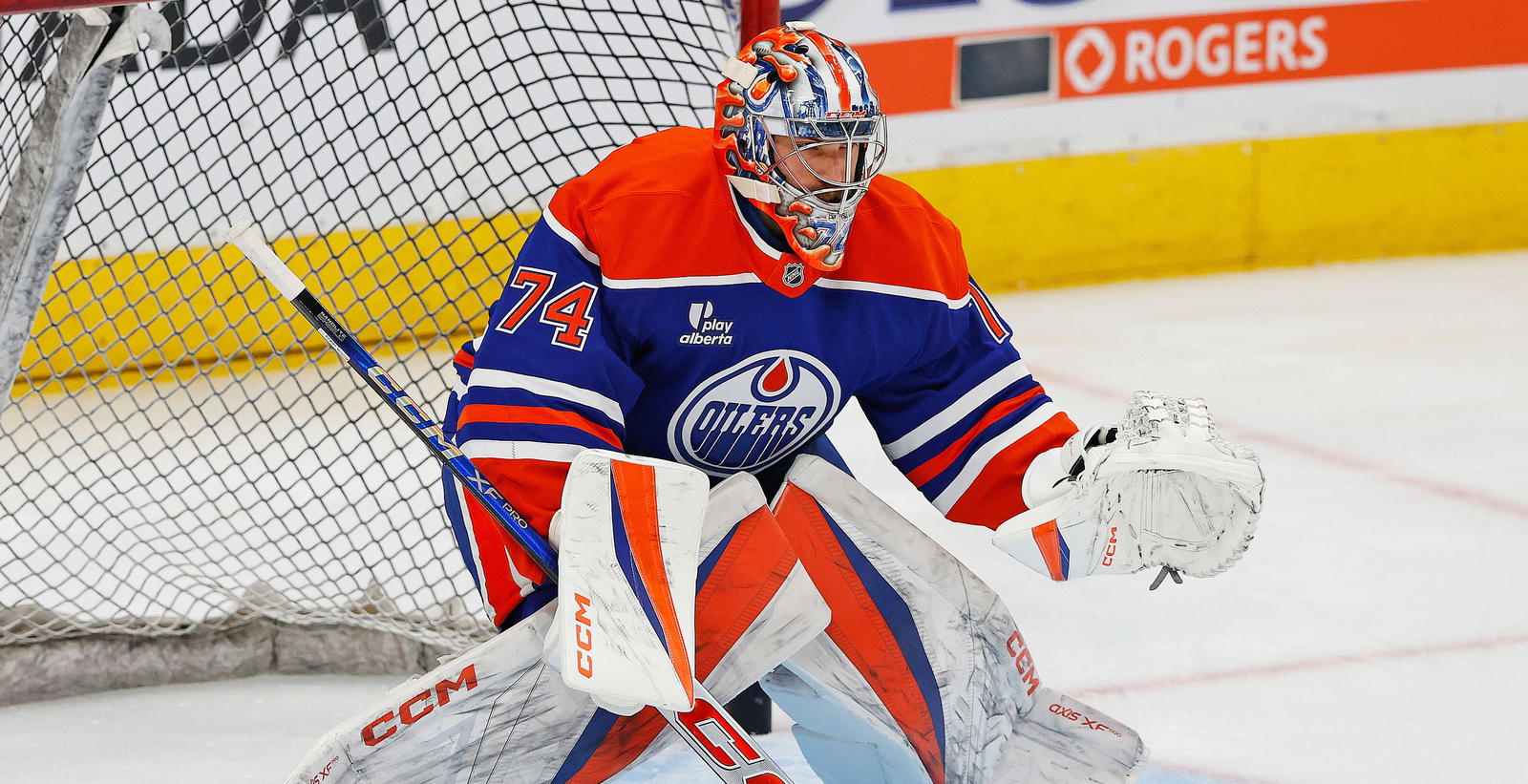
The contrast between these contracts illustrates how different players are approaching the same market. Kaprizov maximized his earnings with a massive AAV on a long-term deal. McDavid prioritized team flexibility with a hometown discount and short term. Hutson and the Canadiens split the difference—significant money but not market-breaking, with term that bets on future cap growth making the deal more palatable.
What this means for the rest of the league is straightforward: contracts signed today are going to look wildly different from contracts signed two years from now. The rising cap creates opportunities for teams that manage their money well and problems for teams that don't. A $9 million defenseman seems expensive today. When the cap is $113 million, that same player at $9 million is suddenly a mid-tier contract.
The new NHL contract landscape rewards timing and strategic thinking. Teams that lock up young talent now before the cap explodes will have flexibility later. Teams that wait might find themselves priced out of keeping their stars. Players who sign now are betting on security and guaranteed money. Players who wait are gambling on the market continuing to rise.

Kaprizov got his massive payday. McDavid left money on the table for team success. Hutson got paid like an established star based on one excellent rookie season. All three contracts are rational in this new landscape, even though they represent completely different approaches to the same market conditions.
The NHL contract landscape isn't just changing—it's already changed. The cap is rising faster than anyone anticipated, and the deals being signed today reflect that new reality. Teams and players are adjusting in real time, and the next few years will determine who navigated this transition well and who got caught paying yesterday's prices in tomorrow's market.
Welcome to the new NHL contract reality. It's expensive, it's complicated, and it's only going to get more chaotic as the cap keeps climbing.
Bookmark The Hockey News Edmonton Oilers team site to never miss the latest news, game-day coverage, and more. Add us to your Google News favourites, and never miss a story.