


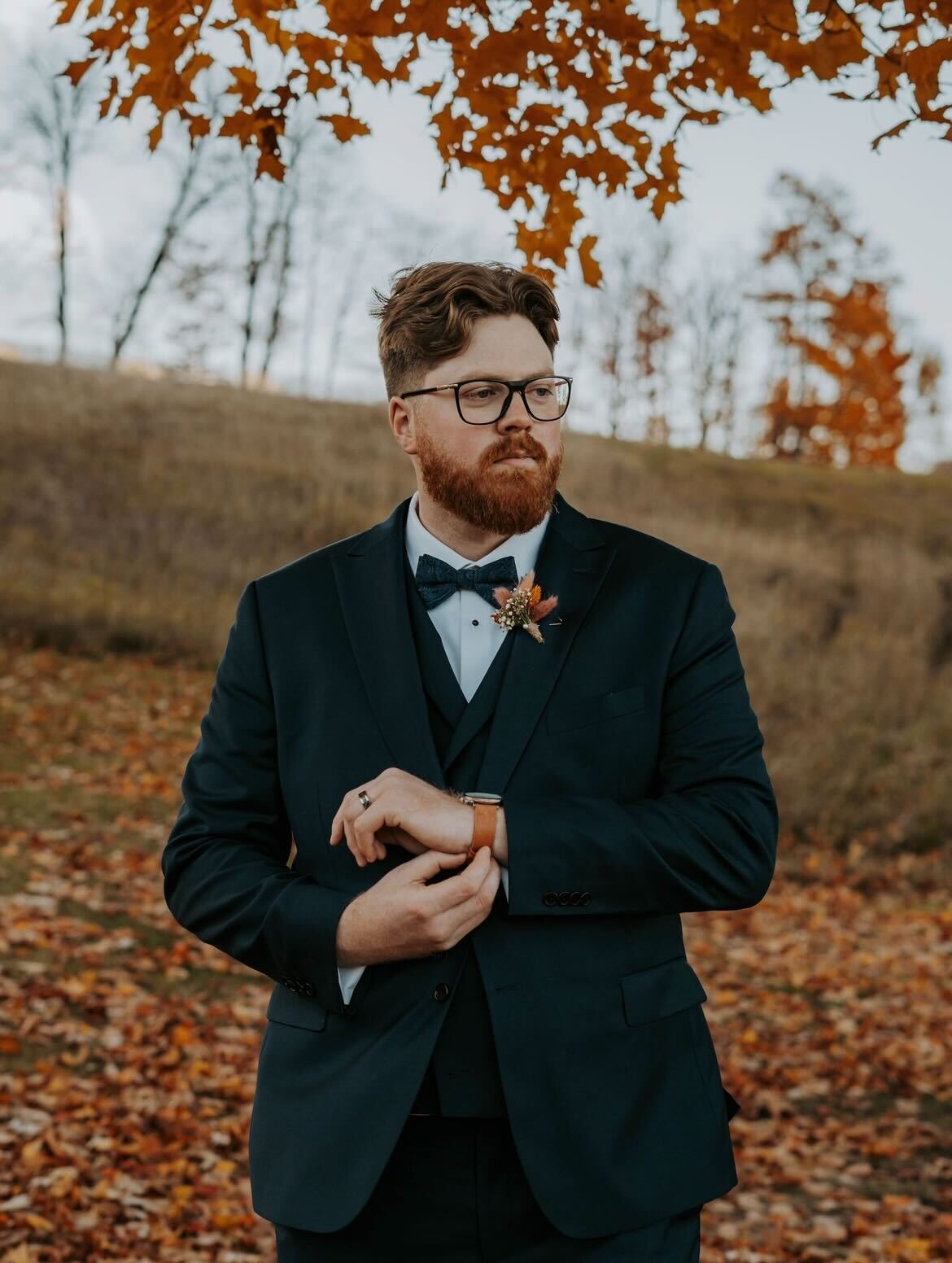
© Rob Gray-Imagn Images

Sep 8, 2025 2:48 AM
The Utah Mammoth are heading into a season where they have the pieces to make a real push for the 2025-26 playoffs. They’ve added players like Brandon Tanev, Nate Schmidt, and J.J. Peterka, who should all bring something meaningful to the lineup.
Even with those moves, general manager Bill Armstrong still has one major item on his to-do list: getting star forward Logan Cooley signed.
Cooley is entering the final year of his entry-level deal, which means he’ll be a restricted free agent at season’s end. That also makes him a potential offer-sheet target if he reaches the open market. Of course, Armstrong isn’t going to let it get that far. Cooley is the future face of the franchise, and the expectation is for him to be the centerpiece of the long-term plan. Because of that, it would make sense if both sides found common ground well before the 2026 trade deadline.
So what might that contract look like?
A good starting point is to look at similar signings. Wyatt Johnston of the Dallas Stars inked a five-year deal worth $8.4 million per season. Matthew Knies of the Toronto Maple Leafs signed for six years at $7.7 million annually. Both of those serve as solid benchmarks.
Production-wise, Johnston had 71 points in 82 games last year, Knies put up 58 in 78, and Cooley landed in between with 65 in 75. With that in mind, it’s reasonable to project Cooley around $8 million per season on a deal that runs six or seven years.
If Utah locked him in at that number, it would be great value. The bigger question is term. Does Cooley prefer a five- or six-year contract to line himself up for another big payday, or will he consider going the full seven years now under the new CBA rules?
Looking at how other young stars have handled things, the five-to-six-year range seems most likely. That would give Cooley security now while keeping the door open for an even larger deal later in his career.



1
Comments

Powered by RoundtableBuilt on infrastructure designed for real-time media. Learn more at RTB.io.© Roundtable 2026. By using this site you agree to the Terms of Use and Privacy Policy