


Dec 20, 2025 3:31 PM
Rick Westhead explores the dark side of hockey in Canada with his newest book, "We Breed Lions." He shares stories of wrongdoings at all levels of the sport, including youth hockey.
Rick Westhead wants you to read his new book.
Not because he wants to sell more copies – he's donating proceeds to Canadian organizations trying to end gender-based violence and others striving to improve accessibility in sports. But because he wants to enact change in the hockey world that is in need of change.
"I need people who are in this game to read this book," Westhead said of We Breed Lions.
The book, which was released last month and is available at Indigo in Canada, shares the untold stories in the sport of hockey and "Canada's troubled hockey culture."
Across 11 chapters, TSN's senior correspondent and investigative reporter confronts the toxic culture pervading the game, reveals the terrible events that occur behind closed doors in hockey dressing rooms across the country and takes an in-depth look into the sexual assault trial that involved five members of Canada's 2018 world junior team.
It's an unflinching account of the dark side of Canada's popular pastime and the change that still needs to occur to make it better.
"To me, this issue of transparency is one that still needs to be confronted," Westhead told The Hockey News, "and it's still an area where me and other journalists should be asking hard questions."
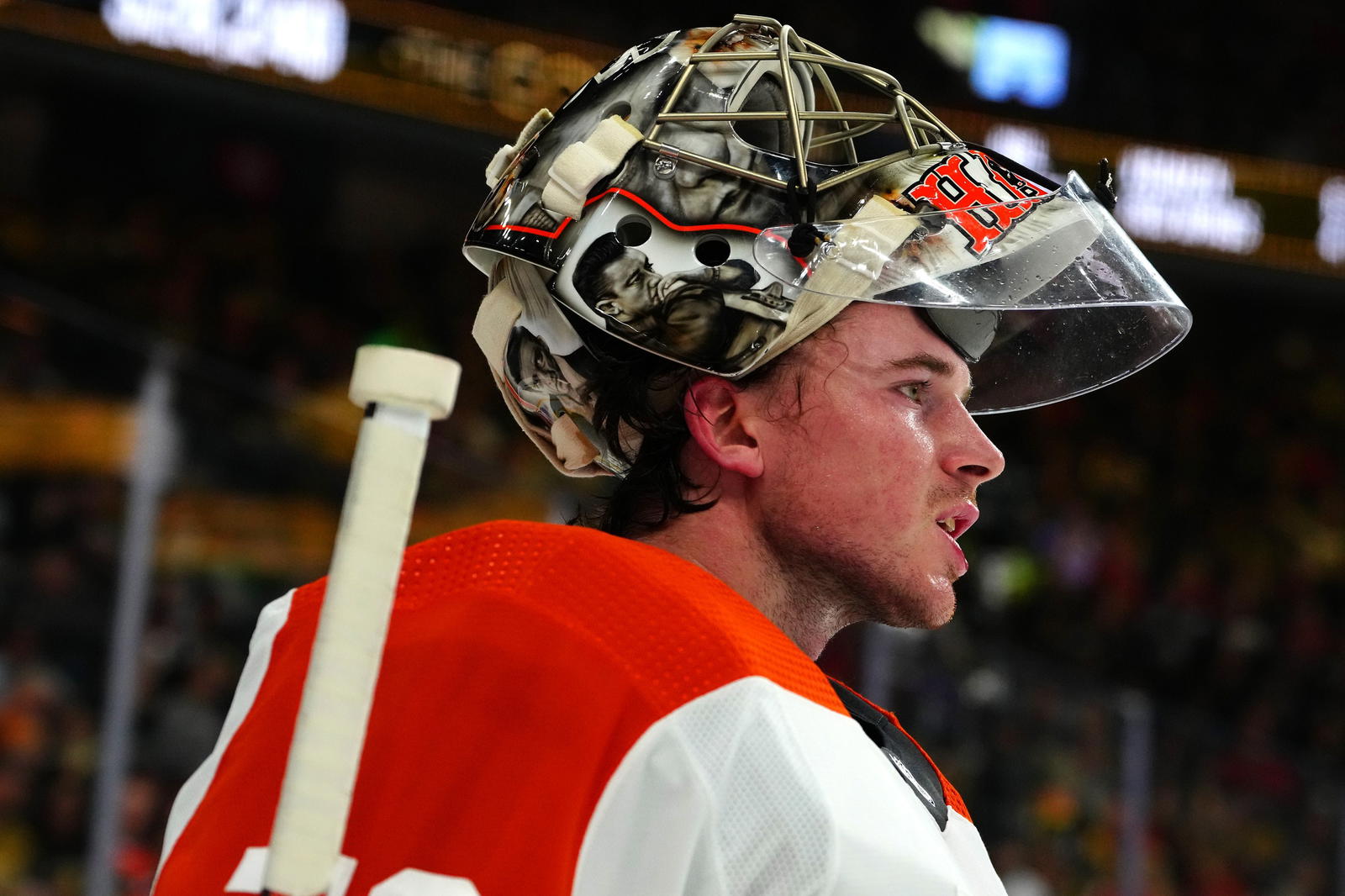
In chapter five, "Minor Hockey, Inc.," Westhead writes about the negative behavior within Toronto's elite minor hockey system, the Greater Toronto Hockey League. The GTHL is a renowned league that has developed several NHL stars, such as Connor McDavid, John Tavares, Mitch Marner and Wyatt Johnston.
That reputation, however, comes at a cost — both financially and, for some players, mentally.
"Minor hockey is full of rich entitled brats now," former NHLer Anthony Stewart said in the book.
According to Westhead, the GTHL and other youth minor hockey programs in Canada have become commercialized and are more of an industry, with parents and players believing the more they spend, the better the chances that their child will one day reach the NHL.
"If a family thinks that their son is on the path to becoming a professional, all bets are off," Westhead said. "Houses can be re-mortgaged, whatever cost is required, will be paid. The limit to charge families is only capped by someone's imagination."
With so much investment going into these kids’ hockey careers, these young boys adopt the identity of being a AAA hockey player, where self-entitlement is bred from an early age. And in a program that carries the reputation for growing players, well-being is almost an afterthought.
"If your son is 12 or 13 and (in) AAA hockey, you've been in that world for two or three years, and you think that they have a shot… I don't think you worry about things like burnout," Westhead said. "A lot of these kids, once they are in this world, it becomes a part of their identity, which leads to some of the problems that we've seen.
"When they're in the mind space of being a AAA hockey player… it's how they identify themselves."
With all the resources and attention spent on boys who are still maturing and growing on a personal level, there's a sense of entitlement that comes to fruition.
In the book, Allison Forsyth, a consultant with youth minor hockey organizations on culture and respect in sport, highlights what the entitlement of these players leads to, including the lack of respect they portray to those around them.
"This all starts so early," Westhead said.
In the book, Forsyth references boys playing mini-sticks in hotel hallways late at night, treating restaurant servers poorly, and other instances in which they put themselves ahead of others without being held accountable.
Added Westhead: "When you have this lack of accountability and this entitlement, where somebody comes out of their hotel room after midnight and says, 'I'm trying to sleep,' and the reaction from the adults connected to a hockey team is, and I've seen this, 'just let the kids have fun, they're just boys being boys,' you're actually not doing the kids any favors because you're teaching them that they don't have to be accountable, and that the rules that apply to others don't apply to them."

The bad choices come in and outside of the dressing room, including the hazing of teammates, specifically rookies, at any level of hockey.
"I think we've seen a number of instances where that feeling of entitlement can lead to some really bad choices," said Westhead. "When players objectify one another, why would we be surprised if they objectify young women?"
Westhead wrote We Breed Lions as a sort of cautionary tale.
The purpose, he said, was to educate players, as well as coaches, executives, families and organizations, among others, in the sport of hockey. That way, we can hopefully change the culture inside hockey.
"I hope that (this book) encourages all hockey organizations across the country to reflect on what they can do to become leaders in their communities," said Westhead.
In the final chapter, Westhead writes about "a path forward." He is particularly proud of this section of the book, because it sheds light on the good that is occurring within the game.
"There is hope, and there's optimism in hockey," he said. "There are great people working and volunteering in the game, and I love doing that reporting. Stories about people giving back, stories about resilience, those are important stories to tell.
"There are always going to be people who are going to make bad choices and do things that hurt others. That's not unique to hockey, and that isn't going to change. What we can change is education… we can change how, through education, that people, when they see things, will speak up and stop them from becoming worse, and we can effect a change with organizations where there are better policies for people who have done these things to be held accountable, and for the public to know about them."

For action-packed issues, access to the entire magazine archive and a free issue, subscribe to The Hockey News at THN.com/free. Get the latest news and trending stories by subscribing to our newsletter here. And share your thoughts by commenting below the article on THN.com or creating your own post in our community forum.
Comments

Powered by RoundtableBuilt on infrastructure designed for real-time media. Learn more at RTB.io.© Roundtable 2026. By using this site you agree to the Terms of Use and Privacy Policy