



May 18, 2025 9:00 PM
The 2025 off-season has been tense for Vancouver Canucks fans. After a disappointing season from center Elias Pettersson, there have been plenty of debates online about whether the organization should keep or trade the former Calder Trophy winner. At this point, it is fair to say that these conversations will continue until the start of the 2025-26 season, even though Pettersson does have a no-move clause that kicks in on July 1, 2025.
Latest From THN’s Vancouver Canucks Site:
One of the main talking points around Pettersson is that his AAV, or annual average value, is at $11.6 million. It is fair to say that the 26-year-old did not live up to expectations this season, and certainly did not produce to the level that the player with the fifth-highest AAV should be. While there are multiple reasons that can be traced back to the problematic season in injuries and a rift that divided the locker room, those are all now in the past, which means Pettersson can now focus on getting back to his old self for 2025-26.
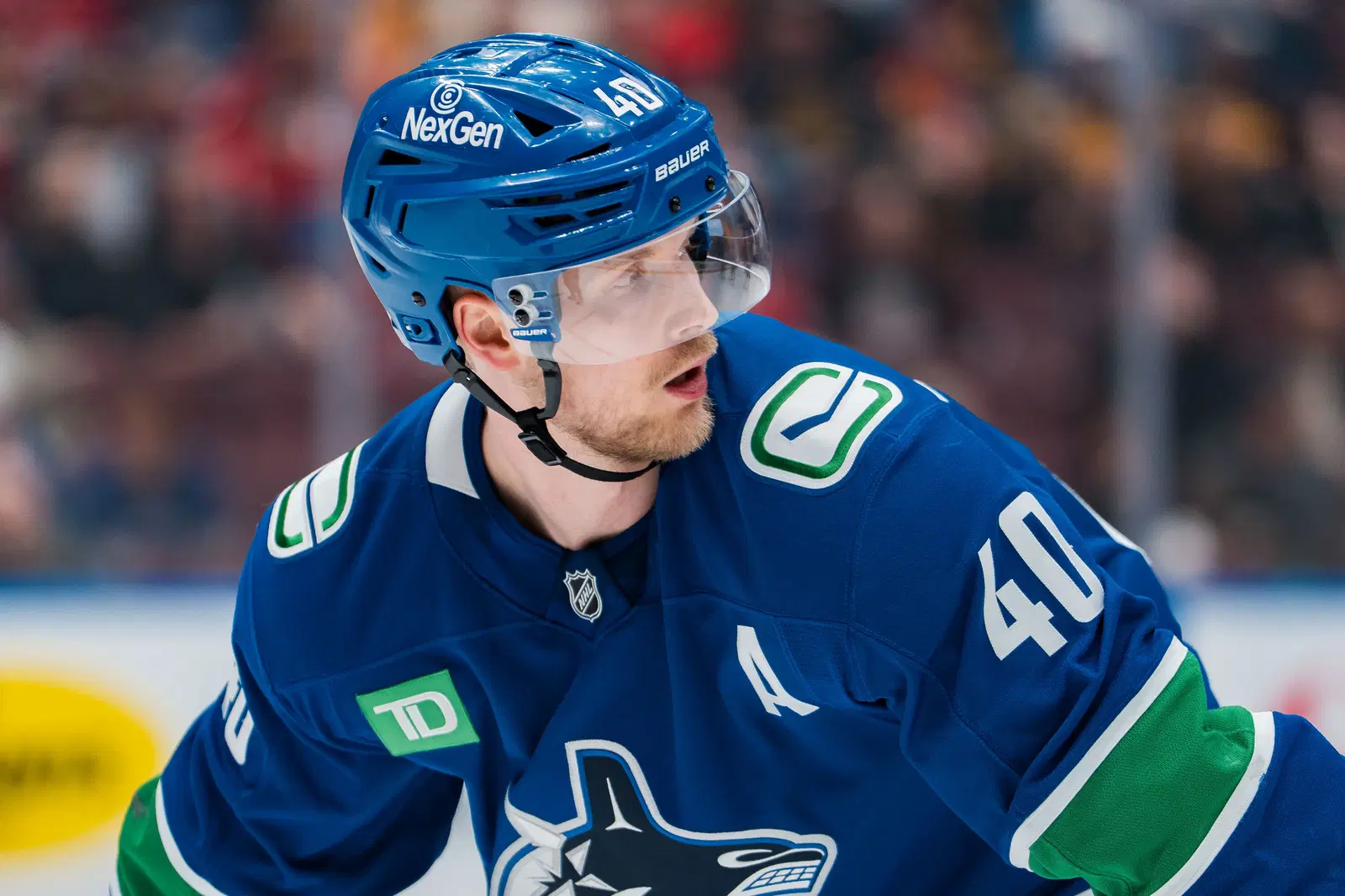
 Mar 11, 2025; Vancouver, British Columbia, CAN; Vancouver Canucks forward Elias Pettersson (40) during a stop in play against the Montreal Canadiens in the second period at Rogers Arena. Mandatory Credit: Bob Frid-Imagn Images
Overall, the NHL's landscape changed this year as the league and NHLPA announced significant cap growth for the next few seasons. Next year, the cap will go up to $95.5 million, while in 2027-28, the projected cap will be $113.5 million. With the cap no longer stalling year-to-year, it is time that the conversation around contracts shifts from AAV to cap percentage.
When it comes to Pettersson, his cap percentage this season was 13.18%. For those who want to do the math at home, the way to sort out a player's cap percentage is to take the player's cap hit ($11.6 million), then divide by the overall cap ($88 million) and multiply by 100. Once done correctly, the cap percentage will come out to 13.18%.
Using this equation, it is easy to calculate what Pettersson's cap percentage will be during the 2027-28 campaign. Taking his cap hit ($11.6 million) and then dividing it by the total cap ($113.5 million) means that Pettersson's cap percentage will be 10.22%. For reference, that would be the equivalent of around a $9 million cap hit, which would not rank in the top 35 this season.
Another important factor to keep in mind is that significant NHL contracts are now going to be handed out, which will push Pettersson down the AAV list. Leon Draisaitl ($14 million) and Mikko Rantanen ($12 million) have already signed significant extensions, while Mitch Marner is projected to receive a massive contract this off-season. There will also be some high-end players who need extensions after next season in Connor McDavid, Jack Eichel, Kirill Kaprizov, and Connor Bedard, who will most likely all sign above Pettersson's $11.6 million cap hit.
While Pettersson's decreasing cap percentage is a positive, as it will mean more cap room moving forward, he still is the highest-paid player on the team and needs to perform like it in 2025-26. As mentioned, the distractions are gone, which means he can spend the off-season getting stronger and working back to become a 100-point player. If he does bounce back, and the cap continues to increase as projected, his contract could develop into a valuable one for the Canucks over the next few seasons.
Make sure you bookmark THN's Vancouver Canucks site and add us to your favourites on Google News for the latest news, exclusive interviews, breakdowns, and so much more. Also, be sure to leave a comment at the bottom of the page and engage with other passionate fans through our forum.
 The Hockey News
2
Comments

Powered by RoundtableBuilt on infrastructure designed for real-time media. Learn more at RTB.io.© Roundtable 2026. By using this site you agree to the Terms of Use and Privacy Policy